
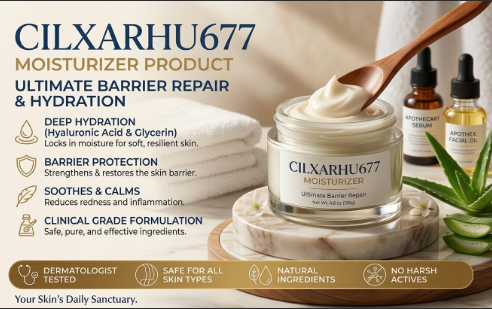
The first time that name crossed my screen, I genuinely assumed it was a typo. Like someone’s product code got pasted into the title box by accident and nobody caught it. But no, that’s really the name. No backstory. No logo you’d recognize walking down a pharmacy aisle. Just a jar, a string of letters and numbers, and not much else to go on.
Most people bail right there. Honestly, can’t blame them. But if you’re still reading, here’s the actual rundown: no hype, no pretending this product is more exciting than it is.
Quick disclaimer, and I mean this one: none of this is medical advice. It’s general skincare info. Got a diagnosed skin condition? On prescription actives? Go talk to an actual dermatologist, not an article.
Why There’s Basically Nothing Written About It
Here’s the thing: big brands don’t name products “Cilxarhu677.” Their marketing people would quit on the spot.
So when a name looks like this, it usually means something smaller made it. A clinic’s private-label cream, maybe. Or some small lab that ran a batch and never bothered branding it properly.
That’s not automatically a red flag. It just means the usual research tricks don’t work. No ingredient-checking site has it logged. No skincare YouTuber has swatched it under studio lighting while explaining pH levels. Whatever you’re going to know about this, you’re getting it from the listing in front of you. So actually read it. Don’t just scroll to the price.
What It’s Supposed to Do
Take away the weird name, and most hydrating moisturizers do the same three things. Pull water into skin. Smooth out rough patches. Slow down how fast that water leaves again.
If Cilxarhu677 has the usual suspects hyaluronic acid, glycerin, ceramides it’s basically running the same playbook every dermatologist-approved barrier cream runs. Nothing new here. These ingredients are cheap, boring, and heavily studied. Doesn’t matter if the jar costs eight dollars or ninety.
So the ingredients aren’t really in question. What’s actually unclear? Whether this particular jar has enough of them to do anything you’d notice.
Here’s a fact worth knowing, though: ceramides alone make up roughly half the lipid content holding your skin cells together. That’s why dermatologists won’t stop mentioning them, right alongside humectants like hyaluronic acid and glycerin. Any brand doesn’t matter; that part stays true.
Check the Label. Seriously.
Nobody can tell you with total certainty what’s in a jar they’ve never held. Not me, not anyone else writing about this without the packaging in hand.
So before you buy, hunt down four things. A full ingredient list the real one, not a “key actives” highlight reel. A batch code and expiration date somewhere on the container. Photos that actually match up across different sellers. And a seller willing to tell you who manufactures the stuff, if you flat-out ask.
Can’t find all four? That tells you more than any product description will.
Who Should Actually Use This
Barrier-focused moisturizers like this one tend to do their best work on skin that’s tight after a shower. Or skin that’s a little raw from over-exfoliating. Or skin that gets dry and grumpy the second winter shows up.
Oily skin? Go slow. Heavier formulas can sit there and clog things up fast. Try it on your jaw for a few days first before you commit your whole face to it; small step, saves you a breakout you didn’t need.
How to Actually Use It
Mornings: cleanse, serum if that’s part of your thing, moisturizer on slightly damp skin, sunscreen after. Nights: cleanse properly, treatments first, moisturizer goes on last.
Don’t expect miracles by tomorrow. Skin usually feels softer within a week, give or take. But real barrier repair the kind that actually sticks takes longer than that. Weeks, not days.
What It Should Actually Cost You
You’re not finding this at Target. Not at Sephora either. So prices bounce around depending on who’s selling it. A legit 50ml jar generally sits somewhere between $35 and $85.
Seeing it for under $20 anywhere? That’s not a deal. That’s a warning sign flashing right at you. Real formulation and packaging just don’t come that cheap.
What Could Actually Go Wrong
Moisturizers sit pretty low on the risk scale, as far as skincare categories go. Not zero risk, though. Let’s not pretend.
Mild stinging happens sometimes, usually on skin that’s already compromised or freshly exfoliated. Some people break out if they’re sensitive to richer formulas, and when that happens, it tends to creep in over a couple of weeks, not show up overnight. There’s also the fragrance-or-preservative rash thing. Red, itchy, and noticeably different from just being dry.
Forty-eight hours and it’s still not calming down? Stop. Go back to something basic and simple while your skin resets itself. Swelling, blistering, a rash that keeps spreading that’s not a “wait it out” situation anymore. That’s a doctor’s office.
Buying It Without Getting Scammed
Here’s what people forget to worry about: the formula probably isn’t the risky part. The supply chain is.
Products with weird, code-style names are easy pickings for counterfeiters. Nothing familiar for buyers to compare a fake against, so fakes slide right through.
Find the actual manufacturer if you can, or a retailer you already trust, and buy from there. If the only listing you can dig up is some random third-party seller with zero real ingredient photos and no answers to basic questions, wait. Or just find something better documented.
Quick Questions
Is it safe? Probably, for most people. The real risk was never really the moisturizer category itself. It’s not knowing exactly what’s sitting in your specific jar. Patch test first. Skip it entirely if your skin’s already broken out or irritated.
What about oily or acne-prone skin? Honestly, it could go either way. Start light. Use less than feels natural at first. Give it a couple of weeks before writing it off completely.
Can I layer it with retinol or vitamin C? Yeah, usually. Let your actives absorb first, then put the moisturizer on top.
Conclusion
I wouldn’t call Cilxarhu677 Moisturizer Product a scam. I also wouldn’t buy it without doing a little digging first; that’s really the whole point of everything above.
Read the actual label, not the sales pitch. Make sure the seller isn’t dodging basic questions. Patch test before you commit your whole face to it. And at the end of the day, let your skin decide whether it earns a permanent spot in your routine, not whatever’s written on the listing page.
This piece is based on publicly available product descriptions and general dermatological knowledge about how barrier moisturizers work, not on independent lab testing of this specific product, since none is publicly available. Confirm the actual ingredients on your own packaging before buying.