I was scrolling a renovation forum last week, and it hit me: nobody’s talking about “minimalist white boxes” anymore. That whole thing where every room had to look stark and empty just… faded. And what’s replacing it feels a lot warmer, honestly, a lot more like someone actually lives there.
People want rooms with a bit of a story. Not something that looks copy-pasted off a catalog page. If you’ve been on Pinterest trying to figure out where to take your own space, you’re not the only one, trust me. We’ve been keeping an eye on this shift for a while over here at TheHomeTrotters, and 2026 is shaping up to be a genuinely fun year for home decor. Less pressure to follow strict rules. More room to just layer in stuff you actually like. So here’s what’s actually worth your time this year.
Why 2026 Feels Different
For most of the last decade, home design leaned hard into minimalism. Clean lines, neutral everything, “less is more” plastered on every design blog you’d click into. Looked great in photos, sure. But a lot of people quietly admitted their homes felt kind of cold to actually live in day to day.
This year the pendulum’s swung back toward warmth. Designers keep calling it “lived-in luxury,” which is a fancy way of saying comfortable and pulled-together without turning fussy. People are building rooms around things they actually love now, even mixing eras or textures that wouldn’t have “matched” a few years back. Nobody’s policing that anymore. Honestly, about time.
Warm, Earthy Colours Are Taking Over
The all-white kitchen is losing steam, fast. This year it’s terracotta, sage green, soft beige, and deeper tones like forest green or chocolate brown. These pair well with natural materials and add some depth without making a room feel dark or closed off.
A couple of ways in, without repainting your whole house:
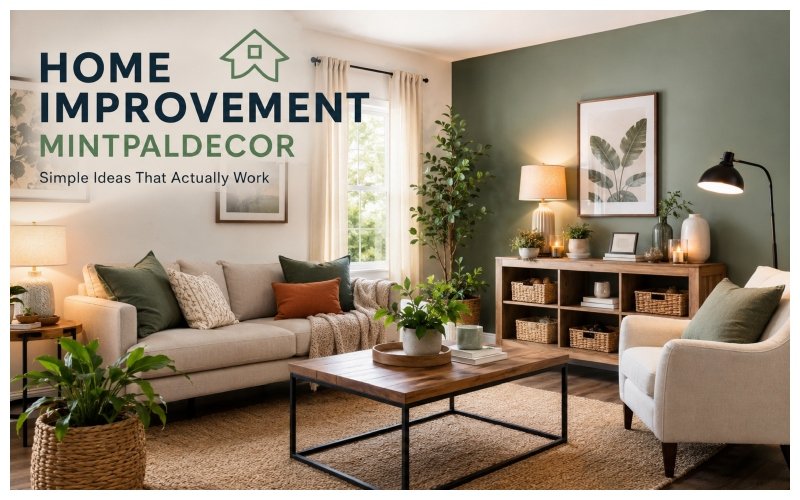
Start with one accent wall. You don’t need the entire living room redone. A single wall in a rich earthy tone shifts the whole mood, especially once you swap harsh overhead lighting for a couple of warm lamps.
Layer your textiles before you buy new furniture. A rug, some cushions, and curtains, all in complementary warm tones, add cosiness fast and cost a fraction of what new furniture would. Rust linen cushions on a plain cream chair honestly do more work than people expect.
Curved Furniture, Softer Shapes
Boxy, sharp-edged furniture is losing ground to rounder pieces. Curved sofas, arched doorways, round mirrors, rounded coffee tables. They’re everywhere right now because your eye moves through the room instead of catching on hard corners.
Helps a lot if your space currently feels stiff or a bit like a waiting room. Small swaps go further than you’d guess:
- Swap the rectangular coffee table for an oval or round one.
- Pick one curved-back dining chair instead of a straight one.
- An arched mirror or curved floor lamp as a focal point.
Wallpaper Is Actually Back
Wallpaper used to feel risky. A bit dated, maybe. Not anymore; it’s a real design feature now, not something tacked on last minute. Botanical prints, textured grasscloth, hand-painted murals, patterns that mimic linen or plaster- all of it’s having a moment.
If wallpapering a whole room feels like too much, do just one wall first. A bedroom, a powder room, an entryway. It’s one of the questions we get asked constantly, and it pays off for very little actual work.
Nature-Inspired Design, Done Right
Not a new trend exactly, but it’s gotten more thoughtful. Not just “add a plant and call it a day” anymore. People are actually thinking about how light moves through a room, using real materials like rattan and stone, building layouts that connect indoors and outdoors properly.
A few things that actually work:
Real wood and stone textures matter more than you’d think. Even small things, a wooden tray, a stone vase, a rattan light fixture, add texture plastic just can’t fake.
Think about natural light before anything else. If you’re renovating, watch how light actually moves through a room across the day first. Swapping heavy drapes for sheer curtains alone changes a room completely, no construction needed.
Pick plants you’ll actually keep alive. Pothos, snake plants- that’s the honest answer for anyone who forgets to water things (me included, some weeks).
Thoughtful Maximalism
After years of everyone banging on about minimalism, there’s a real swing now toward what some designers are calling “thoughtful maximalism.” Not clutter for the sake of it. Layering pattern, colour, things you actually collect, on purpose.
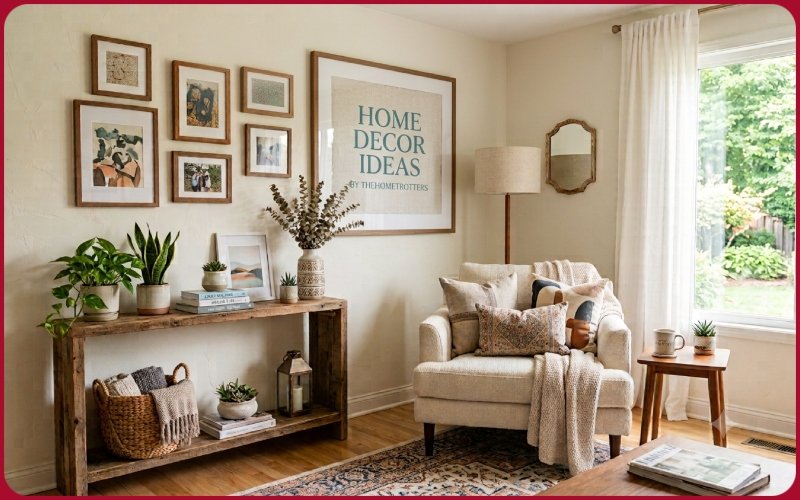
Gallery walls with mismatched frames. Bold wallpaper next to a beat-up vintage armchair. A bookshelf styled with travel souvenirs instead of decor bought just to fill a gap. The point is a room that looks like a person actually lives there.
Designing for Multiple Generations
This one doesn’t get talked about enough. More families are planning homes around ageing parents, or several generations under one roof, so features like curbless showers, grab bars, and step-free entries are getting designed to look intentional instead of clinical.
Even if it’s not relevant to your household right now, worth keeping in mind for a bigger renovation down the line. These features tend to hold resale value regardless of who’s actually living there at the time.
Statement Lighting
Lighting might genuinely be the easiest way to change a room without touching a single wall. Sculptural pendants, oversized floor lamps, warmer bulbs, all replacing the flat, overly bright setups that dominated the last decade.
A few things worth trying:
- Layer three light sources instead of one overhead fixture doing all the work
- Warm white bulbs, around 2700K, instead of cool white
- One statement pendant over your dining table or kitchen island
Vintage and Heritage Touches
There’s real appreciation growing again for craftsmanship, furniture that feels like it has a history even when it’s brand new. Thick ornate frames, antique-style hardware, furniture with visible joinery, all replacing the ultra-sleek mass-produced look that took over for years.
Thrift stores, estate sales, and vintage marketplaces are genuinely worth checking before buying new. Cheaper, sure, but it also gives your space some individuality you’re just not getting off a showroom floor.
Small Updates That Actually Move the Needle
Not everyone’s doing a full renovation, and honestly, that’s fine. A few smaller updates that fit where 2026’s heading, without needing a big budget:
- Swap cabinet hardware for wood or brass knobs.
- Add a woven or jute rug for texture.
- Reupholster one chair instead of replacing the whole set.
- Wallpapering one smaller wall, a hallway, or a bathroom works well.
- A couple of handcrafted-looking ceramic pieces on a shelf
Conclusion
If there’s one thread running through all of 2026’s home decor ideas, it’s intention. People are stepping away from decorating just to keep up with whatever’s trending online, and moving toward spaces that actually match how they live day to day.
Whether you’re doing a full renovation or just refreshing one room, most of this can be picked up slowly, one accent wall, one lighting swap, one vintage find at a time, building as you go. That’s really what we keep coming back to at TheHomeTrotters: small, intentional changes usually beat a rushed overhaul, both for your wallet and for how the space actually feels to come home to.