Home improvement does not always mean a major renovation. Sometimes a room needs better lighting, a fresh coat of paint, smarter storage, or a simple furniture change. Small updates can make a space feel more comfortable and useful without changing everything at once. This guide looks at practical home improvement mintpaldecor ideas while keeping the focus on planning, safety, function, and personal style.
Figure Out Where to Start
Before buying anything, walk through the room and decide what is actually bothering you. Is the space too dark? Does the furniture block movement? Is there not enough storage? Or does the room simply feel unfinished? Answering these questions first can prevent unnecessary spending.
Look for Inspiration, But Do Not Copy a Room
Online inspiration can help you understand colors, layouts, materials, and decorating styles. The goal is not to copy another person’s room exactly. Instead, look for ideas that can work with your room size, natural light, furniture, and budget.
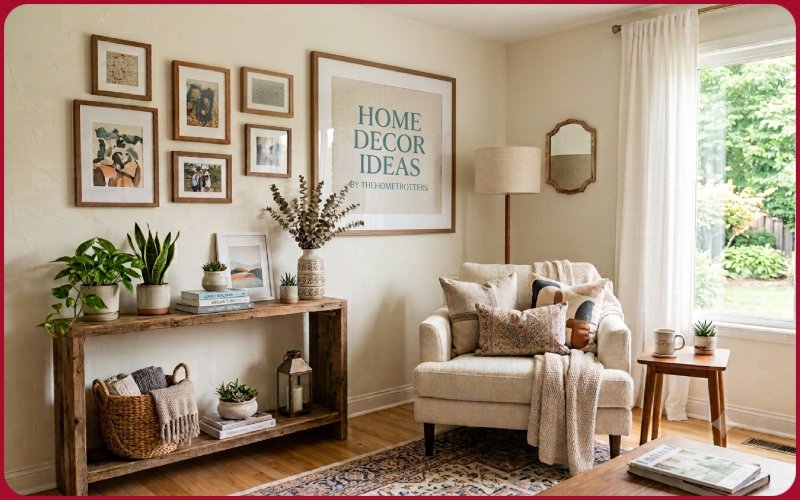
Related idea: Home Decor Ideas by TheHomeTrotters – https://stylingmagazine.org/home-decor-ideas-by-thehometrotters/
Ask What Is Actually Wrong With the Room
A useful home improvement plan starts with the problem rather than the product. If a room feels crowded, adding more decoration may make it worse. If a room feels dull, changing the lighting may help more than buying several decorative items. Think about function first, then appearance.
Lighting Can Change the Entire Room
Lighting has a strong effect on how a room looks and feels. Natural light should be used where possible, while artificial lighting can fill darker areas. A simple lighting update can also make existing furniture and wall colors look different.
Layer Your Lighting
Try combining general lighting with task lighting and softer accent lighting. A ceiling light can provide overall brightness, while a floor lamp, desk lamp, or reading light can serve a specific purpose. This approach gives you more control than relying on one bright light.
Paint Still Gives You a Big Visual Change
Paint is one of the most noticeable ways to refresh a room. Light shades can help a small space feel more open, while deeper colors can create a stronger focal point. Before painting, test a small area because the final color can look different under natural and artificial light.
Think About Paint Safety Before You Start
Painting is not only a design decision. Paints and coatings can release volatile organic compounds, commonly called VOCs. Good ventilation can help reduce indoor concentrations during and after painting. Follow the product label and use the recommended protective measures.
If a home was built before 1978, existing paint may contain lead. Older painted surfaces should be handled carefully and assessed before sanding, scraping, or disturbing them. Remodeling can also create dust and other indoor-air concerns, so occupants should be protected while work is underway.
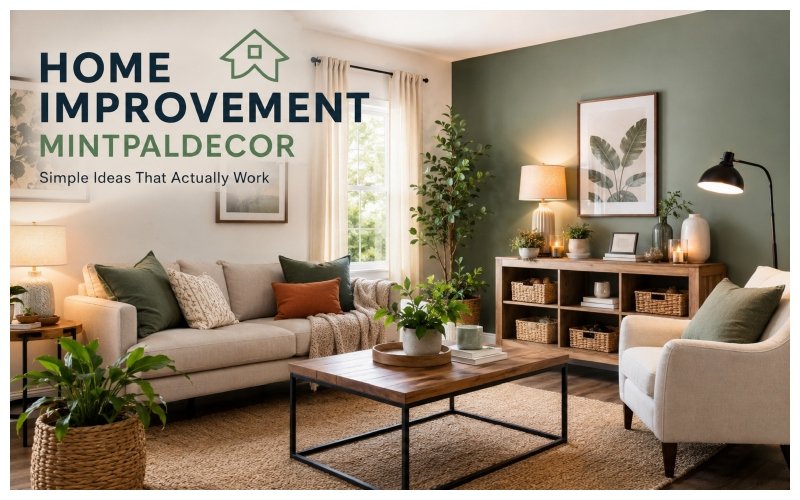
Home Improvement: Mintpaldecor and the Texture Problem
A room can have attractive furniture and still feel flat when every surface looks the same. Texture adds visual depth. You can introduce it through rugs, curtains, cushions, woven baskets, wood, ceramics, bedding, or other materials.
Getting the Mix Right
Texture works best when it supports the room instead of making it feel busy. Start with a few materials that complement each other. Natural wood with fabric, for example, can create a warmer appearance without requiring a complete redesign.
Rearranging Furniture Is Free
You do not always need new furniture to improve a room. Moving existing pieces can change the way people walk through the space and how the room is used. Try different arrangements before purchasing anything.
Walk Through the Room Like a Guest
Enter the room and notice what you see first. Check whether pathways are clear and whether the main furniture supports the purpose of the room. In a living room, seating should encourage conversation. In a bedroom, the layout should leave enough space to move comfortably.
Use Plants to Add Life
Plants can add color, shape, and natural texture to an interior. Choose plants according to the amount of light available and the level of care you can realistically provide. If you are new to plants, start with a small number rather than filling every available surface.
Group Plants Instead of Scattering Them
A small group can often look more intentional than several plants placed randomly around a room. Varying the height of containers can also create a more balanced display.
Storage Can Improve a Room More Than New Decor
Clutter can make even a well-designed room feel uncomfortable. Look for storage that matches the way you actually use the space. Baskets, shelves, cabinets, and storage furniture can keep frequently used items accessible while reducing visual clutter.
Fix the Problem Before Covering It Up
Decorating should not be used to hide a serious home problem. Water damage, persistent moisture, roof leaks, structural issues, or electrical concerns should be investigated before cosmetic work. Covering a damaged area can make the visible problem look better without addressing the cause.
Make a Simple Home Improvement Plan
A simple plan can keep a project manageable. Start by listing the problems you want to solve. Then separate essential repairs from cosmetic changes. Set a realistic budget and decide which tasks you can handle yourself and which may require a qualified professional.
- Identify the main problem in each room.
- Set a budget before shopping.
- Measure the space before buying furniture or storage.
- Choose a small number of design priorities.
- Handle repairs and moisture issues before decorating.
- Plan for ventilation and safety during painting or remodeling.
Common Home Improvement Mistakes to Avoid
- Buying furniture before measuring the room.
- Choosing paint only from a small color card without testing it in the room.
- Adding too many decorative items at once.
- Ignoring moisture, leaks, or other underlying problems.
- Forgetting ventilation during painting or remodeling.
- Copying an inspiration room without considering your own space and lifestyle.
Frequently Asked Questions
What is the easiest home improvement project to start with?
Start with a change that solves a clear problem. Rearranging furniture, improving lighting, organizing storage, or refreshing a small wall can be manageable first projects.
How can I improve my home on a small budget?
Focus on changes that have a clear purpose. Rearranging furniture, decluttering, improving lighting, adding a few textures, and repainting a suitable area can refresh a room without a major renovation.
Does lighting really make a difference?
Yes. Lighting affects how colors, furniture, and room proportions are perceived. Combining different types of lighting can also make a space more flexible.
Should I paint the whole room?
Not necessarily. A single wall or smaller area can sometimes create enough visual change. Test the color first and consider how it looks at different times of day.
How can I make a small room feel better?
Keep pathways clear, avoid oversized furniture, use storage carefully, and make good use of available natural light. A simpler layout can make a small room feel more comfortable.
Are plants good for home decor?
Plants can add natural color and texture, but the right choice depends on available light and how much care you can provide.
Should I fix damage before decorating?
Yes. Moisture, leaks, structural concerns, and other underlying problems should be addressed before cosmetic improvements whenever possible.
Final Thoughts
Good home improvement is not always about making the biggest change. It is about making the right change for the space. Start with a real problem, make a practical plan, and then choose improvements that support how you live. Better lighting, smarter storage, useful furniture arrangements, suitable paint, and balanced textures can all make a room feel more complete.