Five tabs open, and you still can’t tell if a task got finished. Email in one tab, chat app in another, some spreadsheet tracking deadlines nobody updates, a shared drive somewhere with the “final_final” version of a file. That’s the exact mess Uhoebeans tries to clean up. Tasks, chat, files, reports, one workspace.
This isn’t a copy-paste of a features page. It’s for someone who already signed up, or is about to, and just wants to know what to actually do with the thing once the onboarding screen goes away.
What Is Uhoebeans Software?
Task tracking, team chat, automation, analytics. One dashboard instead of four logins you keep forgetting passwords for. Used Trello or Asana before? You’ll get the hang of this in about ten minutes. No two-week course needed just to send a single task, which is more than most enterprise tools can say.
Freelancers like it because client work stops feeling like chaos. Small teams like it because people stop asking who’s handling what in some random group chat nobody checks. Bigger teams mostly care about the reporting; everything else is secondary for them.
Getting Started
A few things worth doing before jumping into real projects.
Account Setup
Email, password, a couple details about your company. Nothing new here. Turn on multi-factor authentication while you’re at it; don’t put it off. Later usually turns into never. Bringing a team along? Sort roles out now too: admin, standard user, guest. Fixing someone’s access three weeks into a live project is not a fun way to spend an afternoon.
Installing and Setting It Up
Browser or desktop, doesn’t matter much. Once it’s running, connect whatever you already use email, calendar, accounting software if that applies- and sort your notifications before touching an actual project. Skip this step, and by day three you’re muting alerts for stuff you didn’t even know it could ping you about.
Getting Used to the Dashboard
This is home base, really. Task panels show what’s due, what’s finished. Activity feed keeps you updated without chasing anyone down. Shortcuts get you to the stuff you use most. Give it twenty minutes before real work starts; it saves you hunting for basic things later when you’re actually in a hurry.
Practical Ways to Use It
This is the part that matters.
Managing Tasks and Projects
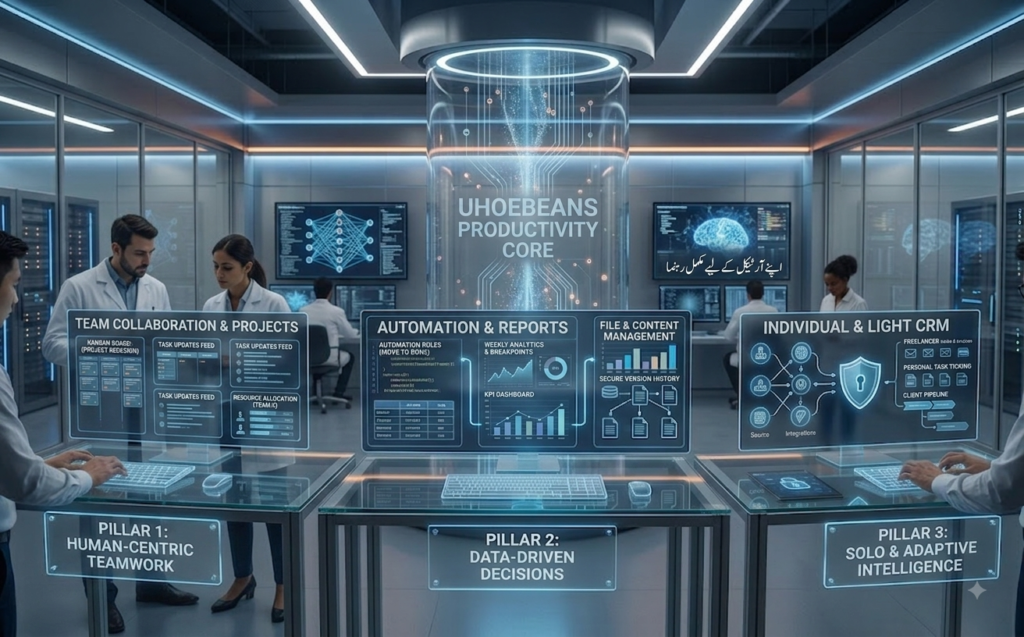
Start a project, split it into tasks, give each one an owner and a due date. View doesn’t matter that much; some people like Kanban, some just want a list. A content team might run posts through Idea, Draft, Review, Published so nothing sits half done for two weeks without anyone catching it.
Skip vague task names though. “Work on website” means nothing three days from now. “Fix homepage load speed” actually tells you something. Specific tasks are just easier to know are done.
Keeping Files in Order
Every business ends up drowning in contracts, briefs, reports, half-written drafts. Folders with version history stop you digging through old email attachments guessing which one’s the real final copy. Matters even more when the team’s remote and everyone needs to be staring at the same file.
Team Collaboration
Comments and attachments sit right on the task instead of some separate chat app. Someone joining late can scroll up and get the whole picture without pinging five people first. Sounds small. Isn’t, once you’ve been the one piecing context together from three different threads at 6 pm on a Friday.
Automation
Most people ignore this bit, honestly. Set rules for the boring stuff, remind someone before a deadline, move a card to Done once subtasks are checked, spit out a weekly report nobody had to build by hand. None of it feels huge alone. Stack a few together though, and you’ve saved real hours by the end of the week.
Light CRM Use
Log client info, call notes, and deal stage right on a pipeline board. Smaller teams skip paying for a separate CRM this way. Won’t hold up against real sales software at scale, but for a lean setup it does the job fine.
Tracking Progress
Past just checking boxes, reports turn daily activity into something you can use: who’s overloaded, what’s slipping, where things are about to break before they actually do. Build the dashboard around what matters to your business, not whatever’s pre-built and generic.
Solo and Freelance Work
Don’t need a team for any of this to help. A freelancer can run a whole client list, intake, invoices, deliverables, off one board instead of notebooks and inbox folders. Works fine for personal stuff too if you like ticking boxes off.
Remote and Hybrid Teams
Cloud-based, so someone in Lahore and someone in London can check the same board, update their part, drop a comment, without ever being online together. One less daily call on everyone’s calendar. Reason enough for a lot of teams to make the switch, honestly.
Customizing It
Worth a few minutes here. Theme, time zone, dashboard layout, so it doesn’t feel like a default template you never touched. Trim notifications down to what matters; nobody needs a ping for every comment on some task that isn’t even theirs. Pin the projects you check daily. Small stuff adds up after a few weeks of using it.
Security Basics
Most teams end up storing something sensitive here eventually. Assign access by actual job role, not blanket access for everyone. Strong passwords, multi-factor authentication turned on. Keep it updated so patches aren’t getting missed. Doesn’t take much; skipping it is usually how small problems become real ones.
Mistakes People Keep Making
Too many projects and labels just make things harder to find, not easier. Skipping onboarding is how a tool with real capability ends up used as a glorified to-do list. Connecting every integration without checking what data it can see opens up more risk than most people realize. And probably the biggest one: setting up boards and automations and then never once checking the analytics. That’s where daily activity actually becomes a series of decisions worth making.
Conclusion
Uhoebeans is worth more than a basic to-do list, but only if you touch the parts beyond task tracking. The tool-hopping that eats a normal workday only really goes away once communication, automation, and reporting live in the same place too. So don’t switch everything on in week one. Start small: task management or just one automated reminder, get used to it, add more later. Slower, sure. But it’s the kind of adoption that’s still around two months from now.